Learn More about the partnership

Richmond Lifestyle Living
Choose the Richmond and Tasman lifestyle that fits your week
A newer urban home, a rural block and a coastal village address can offer very different ways to live. Start with the journeys, outdoor work and space your household actually needs. Then compare the home, land, services and ownership costs at each address. The choices below give you a practical way to explore homes and land between Richmond and Māpua.
Berryfields and The Meadows: modern urban living
In Richmond West, compare the house and section together. Check the connection between living rooms and outdoor space, sunlight, storage, parking and how much garden you want to maintain. A newer build still needs its own construction records, completion information and condition checks. Where neighbouring sites are undeveloped, investigate what could be built beside you.
For a local reference point, Sprig + Fern The Meadows is at 4B Central Park Lane. Walk or drive the route from a shortlisted home to the shops and meeting places you would use. Being in the same development does not establish the distance or accessibility of every address. Check school eligibility through our school and family-living guide.
Appleby and Hope: plan the work as well as the space
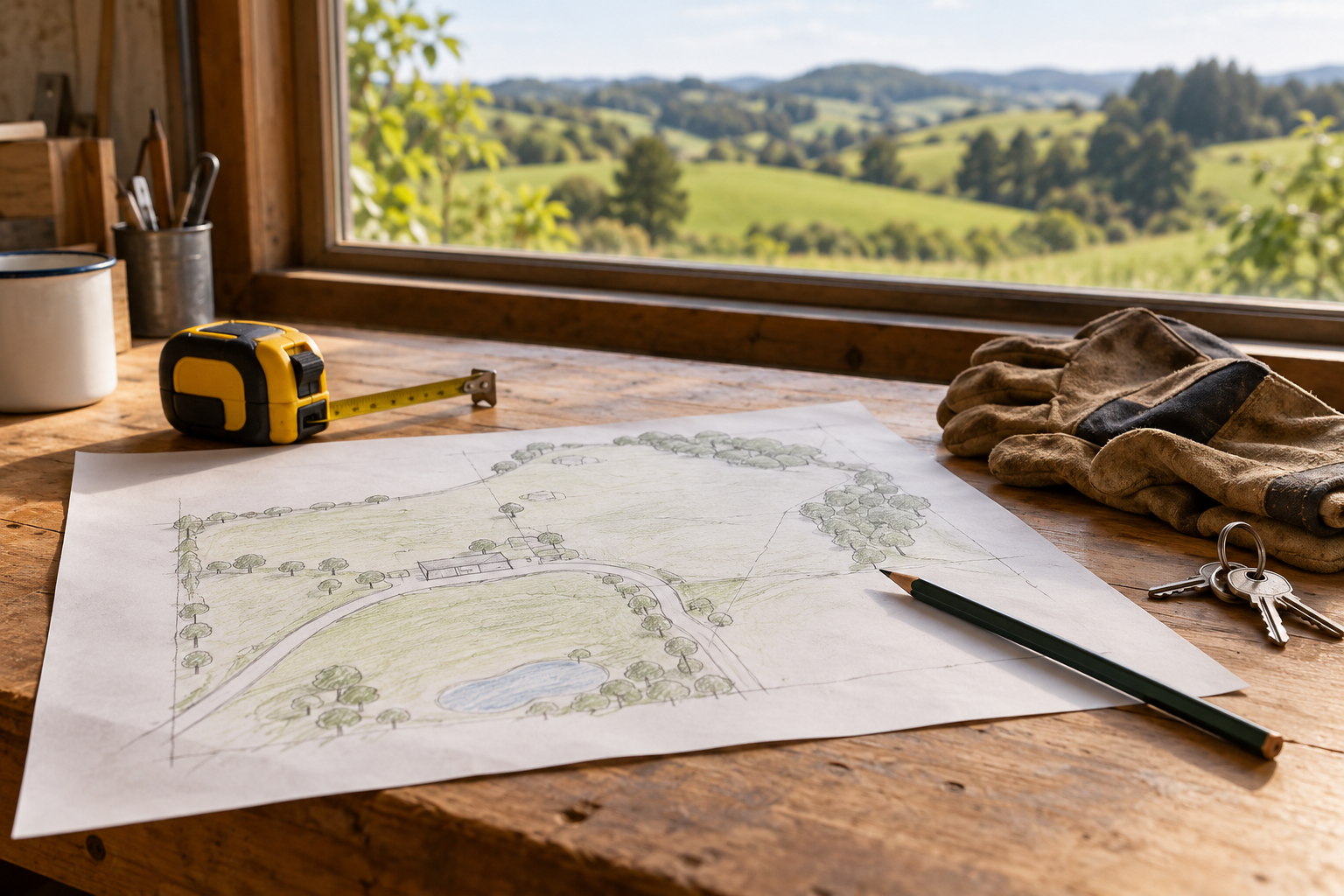
A property with more land may give you room for an orchard, animals, a workshop or a larger garden. Decide how much upkeep you want and which facilities you would actually use. Inspect fencing, gates, drains, tracks, shelter and supporting buildings, and ask for maintenance records and relevant consents.
Establish the water source, storage, treatment and any shared rights. Check wastewater arrangements and capacity with appropriate specialists. Confirm legal access and responsibilities for shared drives or services. Soil, contour, drainage and planning controls affect what is practical; land area alone cannot establish whether a particular animal, crop or building project will work.
Redwood Valley and Bronte: assess contour, access and outlook
For a home on sloping land or with an elevated outlook, assess the route to the building as carefully as the view. Consider driveway gradients, turning space, retaining structures, wind exposure, stormwater and access for deliveries or contractors. Check the outdoor areas your household could use comfortably and what maintaining them would involve.
Ask which view and boundary assumptions are supported by the title and planning information. A clear outlook today can change if neighbouring land is developed. Use Tasman District Council’s LIM and property-file guidance, then arrange site-specific advice for any physical or planning questions.
Māpua and Ruby Bay: compare the coastal routine
Village services and coastal surroundings may be part of the appeal, but test them from the actual home. Walk the routes you expect to use and visit at a time that reflects your normal routine. Compare privacy, vehicle access, parking, outdoor storage and the maintenance needs of exposed materials.
Investigate the exact site’s hazard information, drainage, consent records and insurance position before committing. Use the council’s information and qualified advice rather than inferring exposure from a broad coastal label. A property near the water and one set farther inland can raise different questions, even when both are advertised under the same locality name.
Compare the cost of a year in each property
Alongside the purchase price, allow for rates, insurance, utilities, maintenance, travel and the work you expect to do after moving. For land, identify the design, approval, site-work and service costs needed to reach the home you intend to occupy. Obtain property-specific estimates and discuss funding with your lender or adviser.
- Urban home: check the garden and exterior upkeep, shared arrangements and any covenants.
- Lifestyle block: list water, wastewater, fencing, access and land-management work.
- Elevated property: investigate drainage, retaining, driveway maintenance and specialist access.
- Coastal setting: review the property’s materials, maintenance history, hazards and insurance terms.
What is the average price for a lifestyle block in Tasman?
A single average can mix very different properties. Compare recent completed sales with similar land, home, services, condition and location. An unbuilt section and an established home on several hectares need separate comparisons. Ask the salesperson to explain the evidence for the particular property; a regional headline or an asking price cannot establish its value.
Is it easy to commute from Māpua to Nelson for work?
Test your intended route at the time you would normally travel, including the return trip and any school or other stops. Compare the weekly time and transport cost with the benefits you want from the home. A fixed village-wide travel time will not represent every address, work location or traffic condition.
Are there restrictions on what I can grow or build?
Have your lawyer review title interests and covenants, and check current planning, servicing and consent requirements for your proposal. Take specialist advice where water, wastewater, soil or hazards affect feasibility. Discuss the intended use before your offer becomes unconditional.
Explore the options with the Richmond team
Browse current homes and land, read Buying in Nelson and Tasman or contact our local sales team. Bring your preferred locations, budget and the work you want the property to support, so the search starts with your plans.
If you are comparing sections with existing homes, read our Tasman land and building guide for council records, services, development contributions and complete project budgeting.